How to Spot and Handle Mold in Apartment Building Before It Spreads
Living in a multi-unit building comes with plenty of conveniences, but when moisture finds its way into walls, floors, or ceilings, you quickly learn that mold doesn't respect property lines. Whether you are a tenant noticing a musty odor near the baseboards or a property manager dealing with recurring stains in a basement unit, the challenge of mold in apartment building environments is both common and often misunderstood. I have spent years working in mold remediation across Massachusetts, and I can tell you that the key difference between a minor cleanup and a full-scale renovation often comes down to how early you act and whether you treat the problem as a building-wide issue rather than a single-room annoyance.
Mold spores are everywhere in the outdoor air. They only become a problem when they land on a damp surface and start growing. That is why moisture control is the single most important strategy for preventing mold in apartment building settings. But in a building with dozens of units, shared plumbing, and common HVAC systems, moisture can travel in ways that are hard to track. A slow leak behind a wall on the third floor can soak through the fiberboard and drywall of the unit below, creating ideal conditions for Stachybotrys chartarum, the so-called black mold that people worry about most. I have seen this happen in older Boston triple-deckers and in newer suburban complexes alike. The pattern is almost always the same: a small hidden leak, a delay in reporting it, and then a bloom of mold that affects indoor air quality across several units.
Recognizing the Signs Beyond the Obvious
Most people think they will see mold before it becomes a problem. But by the time you see visible colonies on drywall or baseboards, the colony has likely been growing for weeks. The first clue is usually smell. A musty odor in a closet or near an exterior wall should never be ignored. The second clue comes from your own health. If you or your family members start experiencing worsening asthma symptoms, sinus congestion, or headaches that improve when you leave the building, that is a strong signal that mold is present somewhere in the structure.
The CDC has published clear guidance on the health effects of indoor mold, noting that even non-toxic species like Cladosporium can trigger allergic reactions in sensitive individuals. Cladosporium is one of the most common molds found indoors, and it grows on surfaces like wood, textiles, and even the fiberboard backing of furniture. It does not require the same level of saturation as Stachybotrys chartarum, but it can still degrade indoor air quality and cause respiratory irritation. I have walked into apartments where the tenant thought they had a dust problem, only to find that the HVAC system was circulating Cladosporium spores from a damp filter or duct liner.
Why Shared Systems Require a Coordinated Response
One of the trickiest aspects of dealing with mold in apartment building situations is that the source of moisture is often outside the affected unit. A roof leak, a cracked foundation, or poor drainage around the building can saturate the lower walls and create a persistent dampness that no amount of wiping will fix. In one Boston apartment I worked on, the tenants had been cleaning mold off their bathroom ceiling every few weeks for months. The problem was not their bathroom habits. It was a slow leak in the plumbing riser inside the wall between units. The water was traveling down the pipe and soaking the drywall in the apartment below. No amount of bleach or scrubbing would have stopped it because the moisture source was hidden inside the structure.
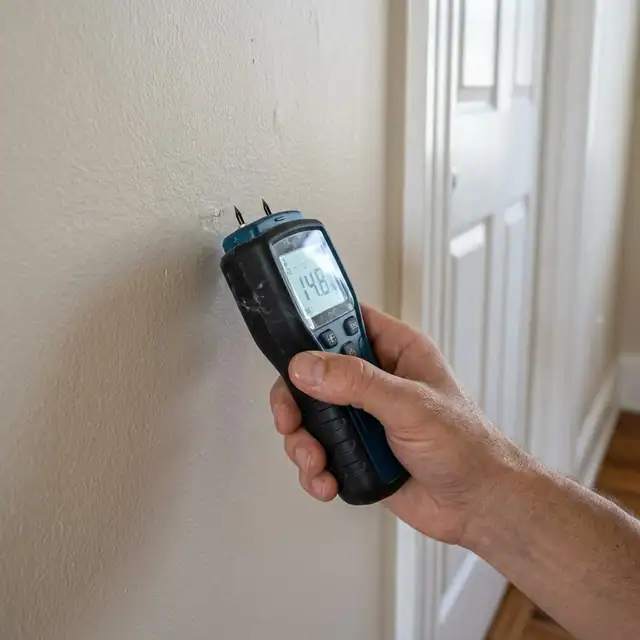
This is where professional mold inspection becomes invaluable. A good inspector will use moisture meters, borescopes, and sometimes thermal imaging to find the actual water source. They will also check the HVAC system, because heating and cooling ducts can spread spores from a contaminated area to every unit on that floor. I have seen cases where a small patch of mold in a basement mechanical room was responsible for elevated spore counts in apartments three floors up, simply because the return air path ran through that space.
Cleaning vs. Remediation: Know the Difference
There is a big difference between cleaning mold off a surface and actually remediating the problem. Cleaning with bleach or hydrogen peroxide can remove surface stains, but it does nothing to kill mold roots that have penetrated porous materials like drywall, wood, or fiberboard. In fact, the EPA guidelines on mold remediation recommend against using bleach on porous surfaces because the water content in bleach can actually feed the mold deeper into the material. For non-porous surfaces like tile or glass, a hydrogen peroxide solution or a commercial cleaner may work. But for drywall, wood studs, or ceiling tiles, the only reliable approach is to remove and replace the affected material.
For small areas, say less than a square meter, a tenant can often handle the cleanup themselves using proper protective gear - gloves, goggles, and an N95 respirator. But for larger areas, or for any situation involving the HVAC system, you need a certified mold remediation contractor. They will set up containment, use HEPA-filtered air scrubbers to capture airborne spores, and remove the contaminated material safely. A HEPA filter is not a gimmick. It captures particles as small as 0.3 microns, which includes most mold spores and fragments. Running a HEPA air purifier in the affected room during and after remediation can significantly speed up the recovery of indoor air quality.
Prevention Through Moisture Control and Smart Materials
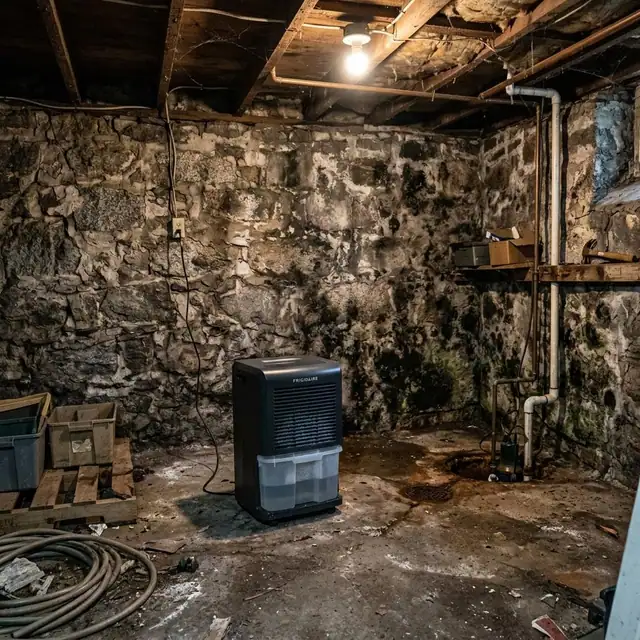
Once the mold is gone, the real work begins: keeping it from coming back. The most effective long-term strategy is moisture control. That means fixing leaks immediately, improving drainage around the foundation, and ensuring that bathrooms and kitchens are properly vented. In one Massachusetts building I consulted on, the property manager installed exhaust fans with humidity sensors in every bathroom. That single change cut the number of mold complaints by more than half within a year.
Material choices also matter. In areas prone to dampness, such as basement units or rooms with plumbing, using epoxy paint on concrete walls can create a moisture barrier that mold cannot grow on. For ceilings and walls, fiberboard and drywall that are treated with anti-microbial coatings are available, though they are not a substitute for fixing the underlying moisture problem. I have seen too many cases where someone painted over mold with epoxy paint, trapping moisture behind the coating and causing the problem to spread inside the wall cavity.
What Tenants and Landlords Should Do
If you are a tenant, document everything. Take photos, keep notes about when you first noticed the musty odor or the discoloration, and report it in writing to your landlord or property manager. Massachusetts law requires landlords to maintain rental units in a condition fit for human habitation, and that includes addressing mold problems that affect health and safety. If your landlord does not respond, you can contact the local board of health. But in most cases, a professional conversation about the building's moisture issues will get faster results than a legal threat.
If you are a landlord or property manager, the best approach is proactive. Schedule regular inspections of common areas, basements, and mechanical rooms. Look for signs of water intrusion after heavy rain. Make sure the HVAC system is inspected and cleaned annually. And when a tenant reports a leak or a stain, act within 24 to 48 hours. That window is critical because mold can begin to grow on moist drywall within 24 to 48 hours under the right conditions.
Final Thoughts on a Shared Problem
Mold in apartment building environments is not a problem that one person can solve alone. It requires cooperation between tenants, property managers, and remediation professionals. But the good news is that the tools and knowledge exist to manage it effectively. From HEPA filtration to proper moisture control to following EPA guidelines, we have everything we need to keep indoor spaces healthy. The challenge is acting quickly, communicating clearly, and treating the building as the interconnected system that it is.
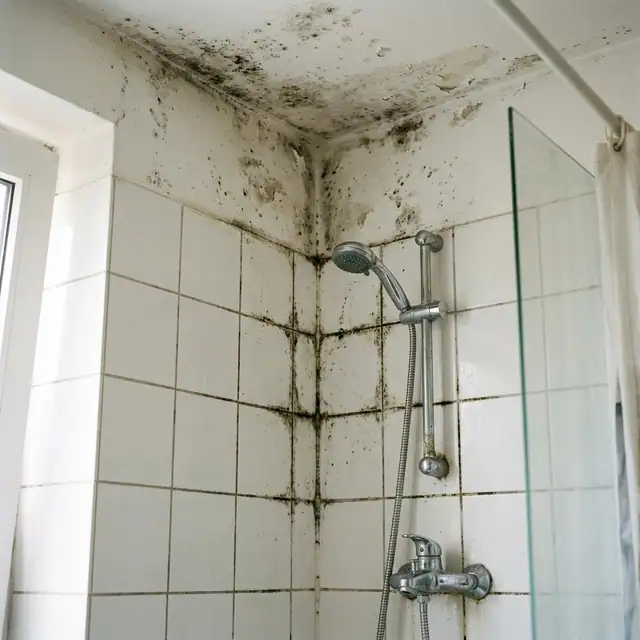
I once removed a patch of lichen - yes, the same organism you see on rocks - from a bathroom ceiling in a Boston apartment. It had grown there because the window was never opened and the humidity stayed above 70 percent for months. That case sticks with me because it shows how adaptable mold and its relatives are. They will take whatever niche we give them. Our job is to make sure we do not give them a foothold in the first place.